
Understanding Your New Knee: What is a Knee Replacement Made Of? (Zimaloy, Tivanium, and Advanced Materials)
Quick Answer: The Materials of a Modern Knee Replacement
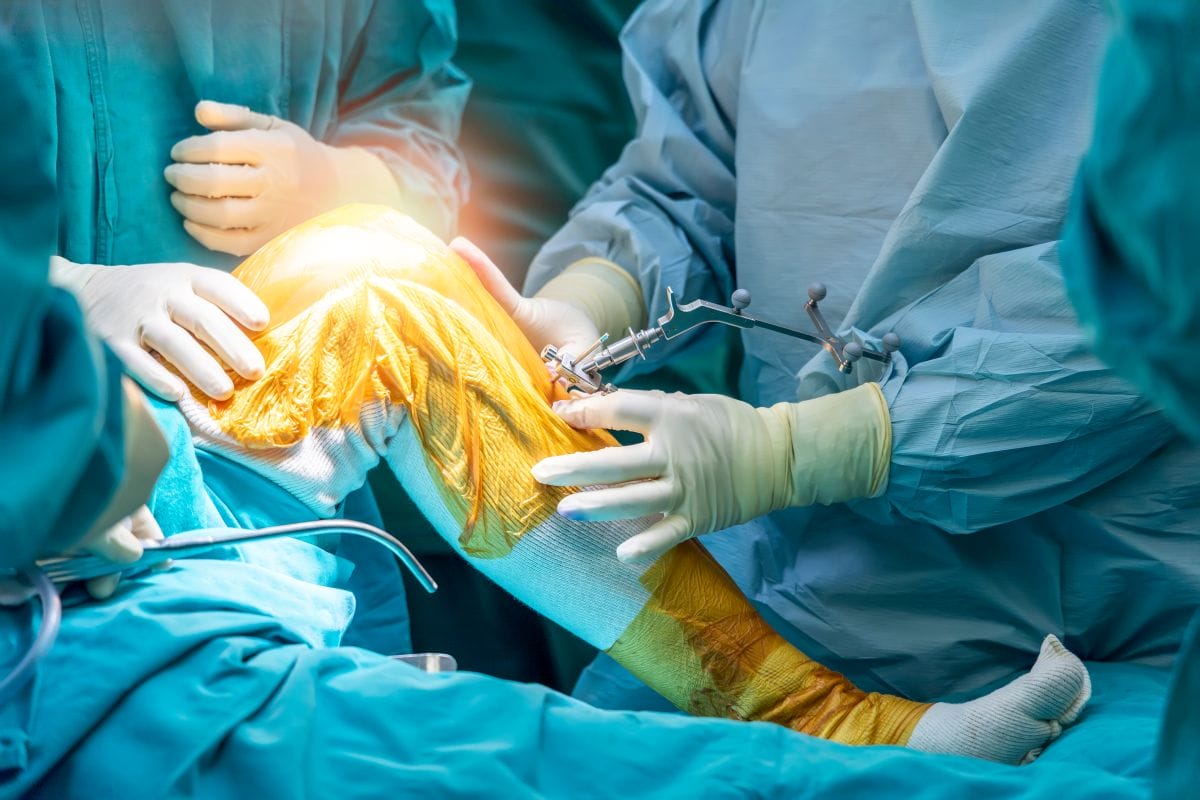
A total knee replacement, or Total Knee Arthroplasty (TKA), is an engineered system composed of materials chosen for strength, biocompatibility, and longevity. It fundamentally involves a durable metal alloy for the thigh bone (femoral) and shin bone (tibial) components, a highly advanced medical-grade plastic (polyethylene) acting as the bearing surface, and a specialised bone cement to securely anchor the components to your natural bone.
The Core Components: A Powerful Combination of Advanced Metal Alloys
The Zimmer Biomet Persona Knee System employs a strategic material philosophy, using two distinct orthopaedic metal alloys for the rigid, load-bearing components. This ensures each part is optimised for its specific mechanical role—articulation or bone integration.
The Articulating Surface: Zimaloy® Cobalt-Chrome-Molybdenum Alloy
The component that replaces the end of your thigh bone (the femoral component) is designed to glide smoothly over the plastic liner. It is typically manufactured using Zimaloy® Cobalt-Chrome-Molybdenum (Co-Cr-Mo) alloy.
- Rationale for Use: This alloy is the material standard for the femoral component due to its exceptional surface hardness and high mechanical strength. These properties are essential for resisting abrasive wear and maintaining structural integrity under the high, cyclical loads of daily movement.
- Composition Detail: The primary elements are Cobalt (up to 68% of the balance), Chromium (27.00% to 30.00%), which provides superior corrosion resistance by forming a passive oxide layer, and Molybdenum (5.00% to 7.00%), which enhances microstructure and further aids corrosion resistance.
The Fixed Platform: Tivanium® Ti-6Al-4V Alloy
The platform that sits on your shin bone (the tibial baseplate) and any optional stem extensions are fabricated using Tivanium® Ti-6Al-4V alloy.
- Rationale for Use: Titanium alloys are preferred for fixed components due to their superior biocompatibility—highly accepted by the body—and their mechanical properties. Titanium's lower elasticity, relative to Cobalt-Chrome, helps reduce the stiffness mismatch between the implant and the host bone, which minimises potential stress shielding effects.
- Composition Detail: This alloy is predominantly Titanium (constituting the balance) with key alloying elements being Aluminium (5.50% to 6.50%) and Vanadium (3.50% to 4.50%).
The Advanced Bearing Surface: Vivacit-E® Polyethylene
The crucial component that acts as the cartilage, allowing your knee to bend and move, is the articular surface bearing insert.
- Material: This bearing is made from medical-grade plastic called Ultra-High Molecular Weight Polyethylene (UHMWPE).
- The Vivacit-E® Advantage: The premium polymeric option is Vivacit-E®, a Vitamin-E stabilised highly crosslinked polyethylene (VEHXPE). Vitamin E (Alpha-Tocopherol) is integrated as a powerful, non-sacrificial antioxidant.
- Enhanced Longevity: This proprietary process prevents the slow oxidation of the plastic over many years, which can lead to embrittlement and accelerated wear. By inhibiting oxidation, Vivacit-E delivers exceptional oxidative stability and ultra-low wear, making it a preferred choice for high-demand patients or younger patients.
The Cement Anchor: Palacos R+G Bone Cement
To ensure the new joint is stable and secure for decades, the surgeon uses a specialised orthopaedic bone cement to create a firm anchor between the implant and your natural bone.
Palacos R+G: Stability with Infection Protection
Your surgeon may utilise specialised, high-performance bone cements like Palacos R+G for implanting the prosthesis.
- Composition: Palacos R+G is primarily a high-viscosity, radiopaque cement based on Poly(methyl methacrylate) (PMMA). This PMMA base creates a strong, durable bond.
- The Gentamicin Advantage: The "R+G" in its name stands for the addition of the antibiotic gentamicin. This key component is pre-mixed into the cement to provide a high, local concentration of antibiotic protection to defend against potential bacterial colonisation during and immediately after the procedure.
- Proven Reliability: This cement has a long clinical history and is associated with a low risk of revision, making it a reliable foundation for your knee replacement.
People Also Ask - About Knee Replacement Materials
Do knee replacement components wear out over time?
Yes, like natural joints, knee replacement components wear over time. Historically, the plastic (polyethylene) liner was the primary source of wear debris, which could lead to bone loss (osteolysis) and implant loosening. However, materials like Vivacit-E® Highly Crosslinked Polyethylene are specifically engineered to significantly reduce this wear rate and extend the predictable service life of the implant.
Are the metals used safe for the body?
Yes, orthopaedic alloys such as Zimaloy and Tivanium are highly regulated and selected for their superior biocompatibility. They form stable oxide layers that resist corrosion in the body.
Don't Live with Knee Pain: Seek Expert Guidance
Understanding the materials and advanced engineering behind your knee replacement is key to feeling confident about your procedure. If you are experiencing chronic knee pain, an orthopaedic consultation is the essential next step to discuss your specific condition and the customised treatment options available.
Don't let uncertainty hold you back from a better quality of life.

What About Long-Term Outcomes?
The outlook is very reassuring.
Most patients return to full activity once the bone heals.
If early osteoarthritis is present, we’ll also guide you on:
- Joint-friendly exercise
- Strengthening strategies
- Weight management
- Activity pacing
These small changes can significantly reduce the chance of recurrence.
Ready to learn if a TKA is right for you?
Book Your Consultation Today with the best orthopaedic surgeon for knee replacement in Cheshire.
📞 Book Your Consultation Today: Call 0161 464 6399
Need an expert to review your knee condition?
At My Knee Doc, we specialise in advanced knee arthroplasty, utilising trusted, clinically proven materials and techniques, such as Palacos R+G cement and the Persona Knee System, to ensure the best possible long-term outcomes. Take control of your pain.